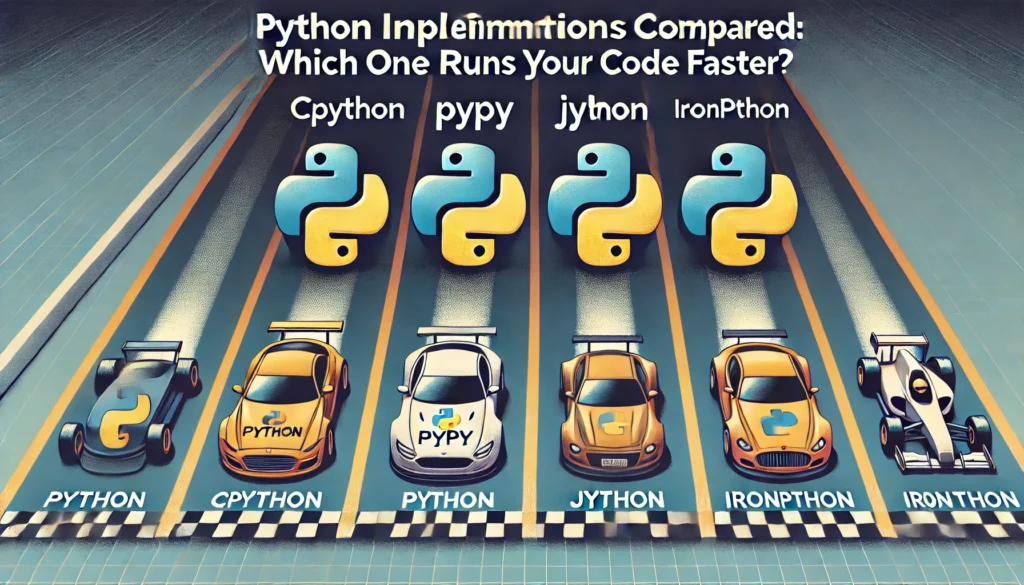
Python Implementations Compared: Which One Runs Your Code Faster?

Python Implementations Compared: Which One Runs Your Code Faster?

When you write Python code, you probably just run it without thinking about how it runs. But did you know there are different ways to run Python? These are called Python implementations, and they can make a big difference in speed, memory use, and compatibility. Most people use CPython, which is the default Python implementation. But there are others, like PyPy, Jython, IronPython, and MicroPython. Some run Python faster, some use less memory, and some work better with specific tools. In this post, I'll walk you through the most popular Python implementations, compare their performance, and help you decide which one is best for your needs. If you've ever wondered, "Which Python version runs my code the fastest?", you're in the right place. Let’s get started!
AI Revolution: Top Jobs in Danger and How to Stay Ahead

AI Revolution: Top Jobs in Danger and How to Stay Ahead

AI Revolution: Is Your Job Safe? let's discuss. AI is changing everything—and fast. A few years ago, tasks like writing, designing, and even coding needed human effort. Now? AI can do them in seconds. That’s why so many white-collar jobs are at risk due to AI. But before you start worrying, let’s be real—this isn’t the first time technology has changed jobs. The future of work with AI isn’t about losing everything. It’s about learning how to stay ahead. Some jobs will disappear, yes, but new ones will pop up too. So, what should you do? Don’t panic. I’m going to walk you through exactly which jobs are at risk, why AI is replacing them, and how you can make sure you’re not left behind. Let’s get into it.
The Ultimate Data Engineering Interview Guide

The Ultimate Data Engineering Interview Guide

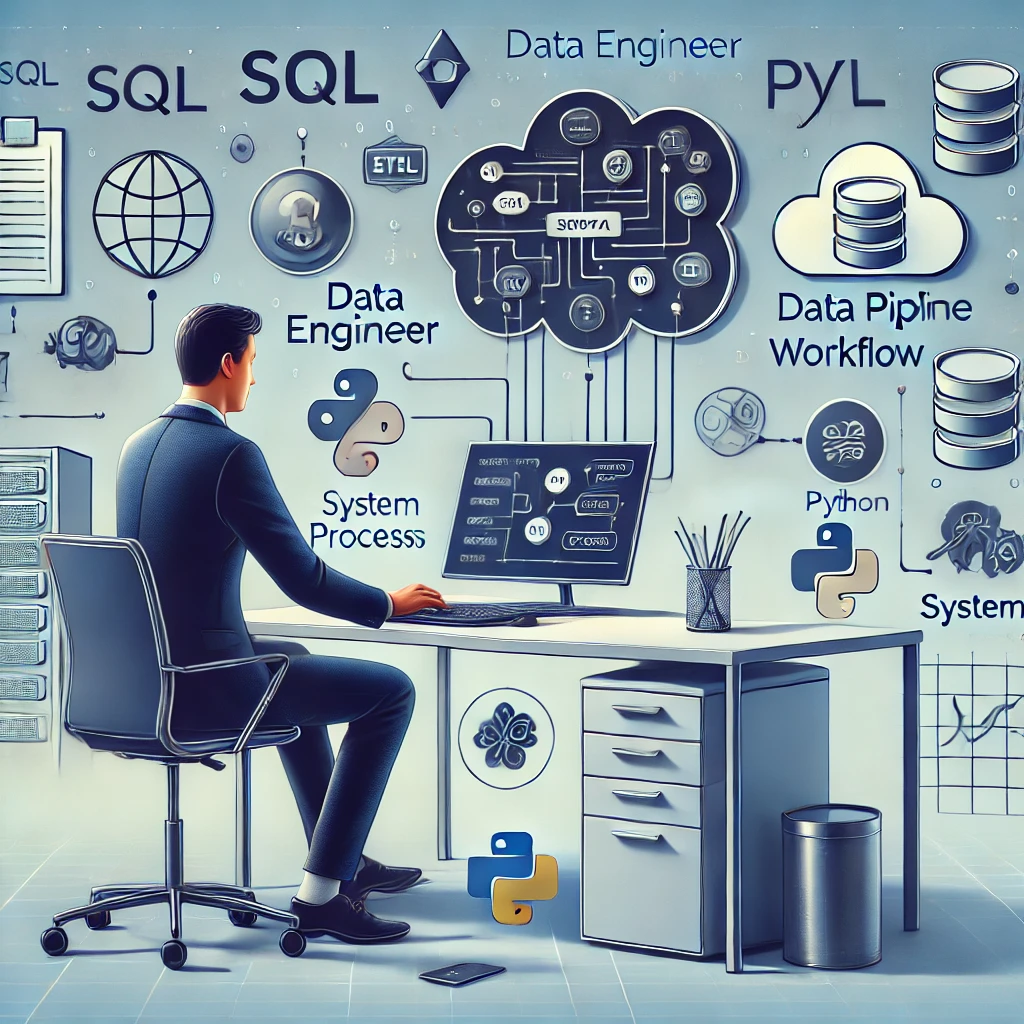
Alright, let’s talk about data engineering interview. They can be tough, but don’t worry—I’ll walk you through everything you need to know. These days, data engineering is a big deal. Companies need solid data pipelines to handle massive amounts of information, make smart decisions, and train machine learning models. That’s why interviews for these roles are so competitive. If you want to stand out, you need to be comfortable with SQL, Python, ETL processes, big data tools, and system design. So, how do you prepare? Here’s what we’re going to cover: The must-know concepts—because you can’t pass an interview if you don’t understand the basics. SQL and Python coding questions—I’ll show you the kinds of problems you’ll face and how to solve them. System design challenges—this is where companies test if you can actually build large-scale data pipelines. Take-home assignments and case studies—these are common, so I’ll help you get ready. Behavioral questions—yep, they matter too. You need to show you’re a great team player. Whether you're new to data engineering or trying to land a job at a top tech company, I’ve got you covered. Stick with me, and you’ll walk into your interview ready to crush it. Let’s get started!
Underrated Data Visualization Tools You Need to Master in 2025

Underrated Data Visualization Tools You Need to Master in 2025

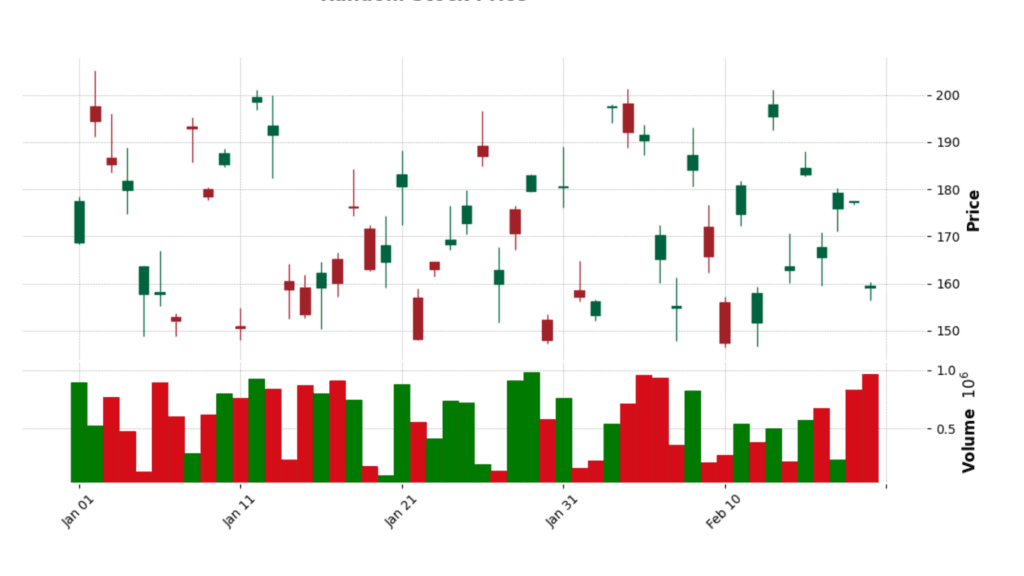
In this guide, Let's explore some lesser-known but highly effective data visualization tools. These tools helps you to handle big datasets, create interactive dashboards, and 3D visualizations. This will be add lucrative to your skill set. You may be working with Python, Jupyter Notebooks, or web-based visualizations, these tools will help you analyze and present data better.
Top 8 Hidden Python Libraries for Machine Learning That Will Supercharge Your Models

Top 8 Hidden Python Libraries for Machine Learning That Will Supercharge Your Models

Python is the top choice for machine learning because it has so many useful libraries. You’ve probably heard of TensorFlow, PyTorch, and Scikit-learn—they’re the most popular ones. But did you know there are lesser-known libraries that can make machine learning even faster, easier, and more powerful? These hidden tools can save you time, improve your models, and simplify complex tasks. In this post, we’ll share top 8 hidden Python libraries that can boost your machine learning projects and help you work smarter. Let’s get started!
Best Python Libraries for Statistical Analysis: 6 Hidden Gems You Should Know

Best Python Libraries for Statistical Analysis: 6 Hidden Gems You Should Know

Python is one of the best tools for statistical analysis. Because it's easy to use and has powerful libraries. Most data scientists work with NumPy, pandas, and SciPy, but there are many hidden Python libraries for statistical analysis. If you need to do hypothesis testing, Bayesian analysis, time series analysis, or survival analysis, you don’t have to write complex code from scratch. There are special Python libraries that can help with statistical modeling and data cleaning, making your work faster. In this post, we’ll look at six lesser-known Python libraries that can save you time and make statistical analysis simpler. Whether you're working with Bayesian statistics, time series forecasting, or survival analysis, these libraries will help you get better results with less effort.
10 Powerful Python Libraries for Data Science You Haven’t Tried Yet

10 Powerful Python Libraries for Data Science You Haven’t Tried Yet

Python Libraries for Data Science: Python is one of the best programming languages for data science. It has many useful libraries that help with data analysis, machine learning, and AI. You may already know popular ones like Pandas, NumPy, and Scikit-Learn, but there are many hidden gems that can make your work easier. In this post, we’ll introduce 10 lesser-known Python libraries. That can help you with data visualization, feature engineering, deep learning, and automation. These tools can save you time, improve accuracy, and help you work smarter. If you're a data scientist, analyst, or AI enthusiast, these powerful Python libraries will take your skills to the next level. Let’s explore them one by one!
How to Design and Implement a Multi-Agent System: A Step-by-Step Guide

How to Design and Implement a Multi-Agent System: A Step-by-Step Guide

Multi-agent system (MAS) are a type of AI where multiple intelligent agents work together to complete tasks. These agents can communicate, make decisions, and solve problems as a team. Many industries use MAS to improve their work. For example: Self-driving cars use MAS to avoid traffic and prevent accidents. Banks and stock markets use MAS to analyze financial data and make better decisions. In this guide, you will learn how to build a multi-agent system step by step. We will use Python, LangGraph, and OpenAI to create a working system. By the end, you will have a fully functional MAS that you can use in real-world applications.