The Ultimate Data Engineering Interview Guide

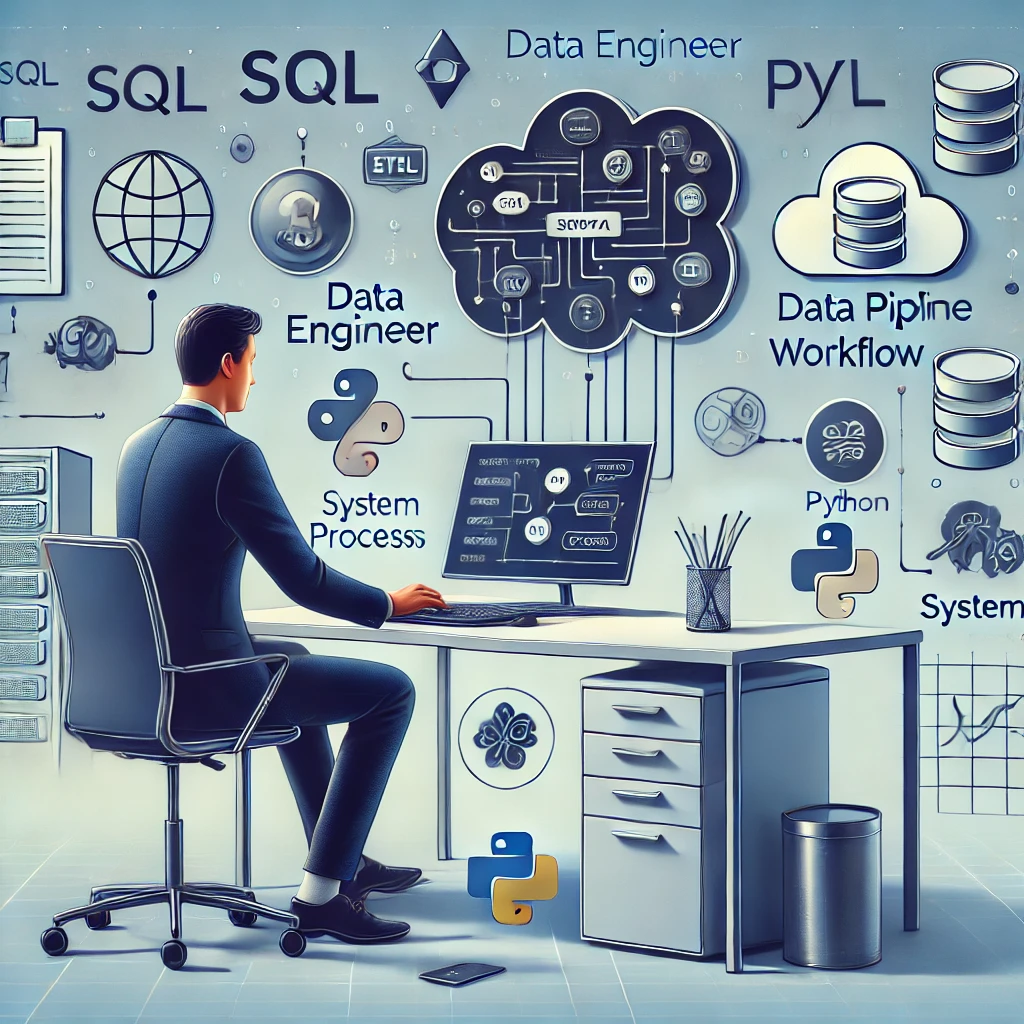
The Ultimate Data Engineering Interview Guide

Alright, let’s talk about data engineering interview. They can be tough, but don’t worry—I’ll walk you through everything you need to know. These days, data engineering is a big deal. Companies need solid data pipelines to handle massive amounts of information, make smart decisions, and train machine learning models. That’s why interviews for these roles are so competitive. If you want to stand out, you need to be comfortable with SQL, Python, ETL processes, big data tools, and system design. So, how do you prepare? Here’s what we’re going to cover: The must-know concepts—because you can’t pass an interview if you don’t understand the basics. SQL and Python coding questions—I’ll show you the kinds of problems you’ll face and how to solve them. System design challenges—this is where companies test if you can actually build large-scale data pipelines. Take-home assignments and case studies—these are common, so I’ll help you get ready. Behavioral questions—yep, they matter too. You need to show you’re a great team player. Whether you're new to data engineering or trying to land a job at a top tech company, I’ve got you covered. Stick with me, and you’ll walk into your interview ready to crush it. Let’s get started!
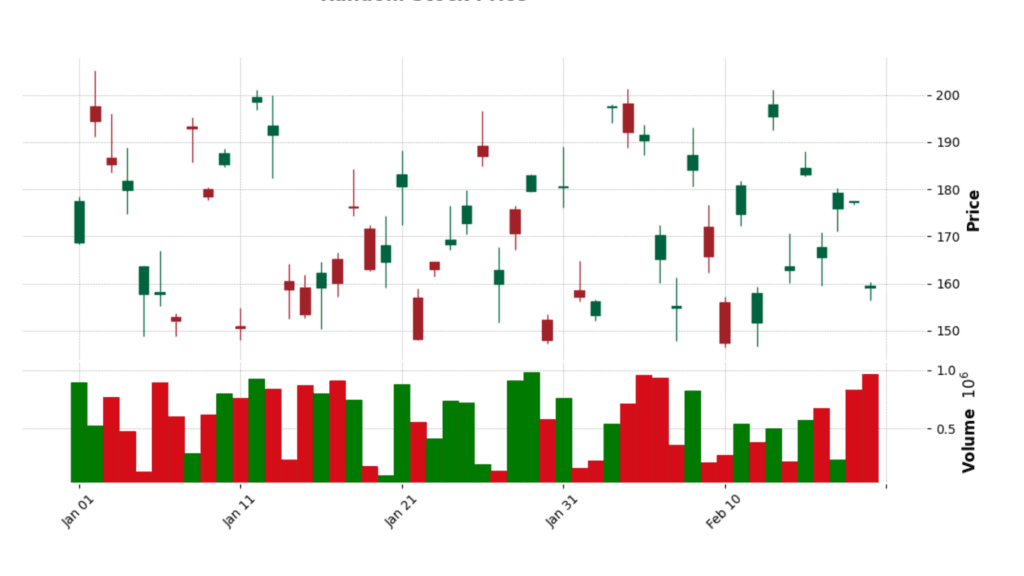
Underrated Data Visualization Tools You Need to Master in 2025

Underrated Data Visualization Tools You Need to Master in 2025

In this guide, Let's explore some lesser-known but highly effective data visualization tools. These tools helps you to handle big datasets, create interactive dashboards, and 3D visualizations. This will be add lucrative to your skill set. You may be working with Python, Jupyter Notebooks, or web-based visualizations, these tools will help you analyze and present data better.
Best Python Libraries for Statistical Analysis: 6 Hidden Gems You Should Know

Best Python Libraries for Statistical Analysis: 6 Hidden Gems You Should Know

Python is one of the best tools for statistical analysis. Because it's easy to use and has powerful libraries. Most data scientists work with NumPy, pandas, and SciPy, but there are many hidden Python libraries for statistical analysis. If you need to do hypothesis testing, Bayesian analysis, time series analysis, or survival analysis, you don’t have to write complex code from scratch. There are special Python libraries that can help with statistical modeling and data cleaning, making your work faster. In this post, we’ll look at six lesser-known Python libraries that can save you time and make statistical analysis simpler. Whether you're working with Bayesian statistics, time series forecasting, or survival analysis, these libraries will help you get better results with less effort.
10 Powerful Python Libraries for Data Science You Haven’t Tried Yet

10 Powerful Python Libraries for Data Science You Haven’t Tried Yet

Python Libraries for Data Science: Python is one of the best programming languages for data science. It has many useful libraries that help with data analysis, machine learning, and AI. You may already know popular ones like Pandas, NumPy, and Scikit-Learn, but there are many hidden gems that can make your work easier. In this post, we’ll introduce 10 lesser-known Python libraries. That can help you with data visualization, feature engineering, deep learning, and automation. These tools can save you time, improve accuracy, and help you work smarter. If you're a data scientist, analyst, or AI enthusiast, these powerful Python libraries will take your skills to the next level. Let’s explore them one by one!
Data Science: Top 10 Mathematical Definitions

Data Science: Top 10 Mathematical Definitions

Mathematics is the backbone of data science, providing the foundational concepts that power models and algorithms. Understanding key mathematical definitions can significantly boost your data science journey. In this post, we’ll explore the first ten must-know mathematical definitions for building a strong data science foundation.
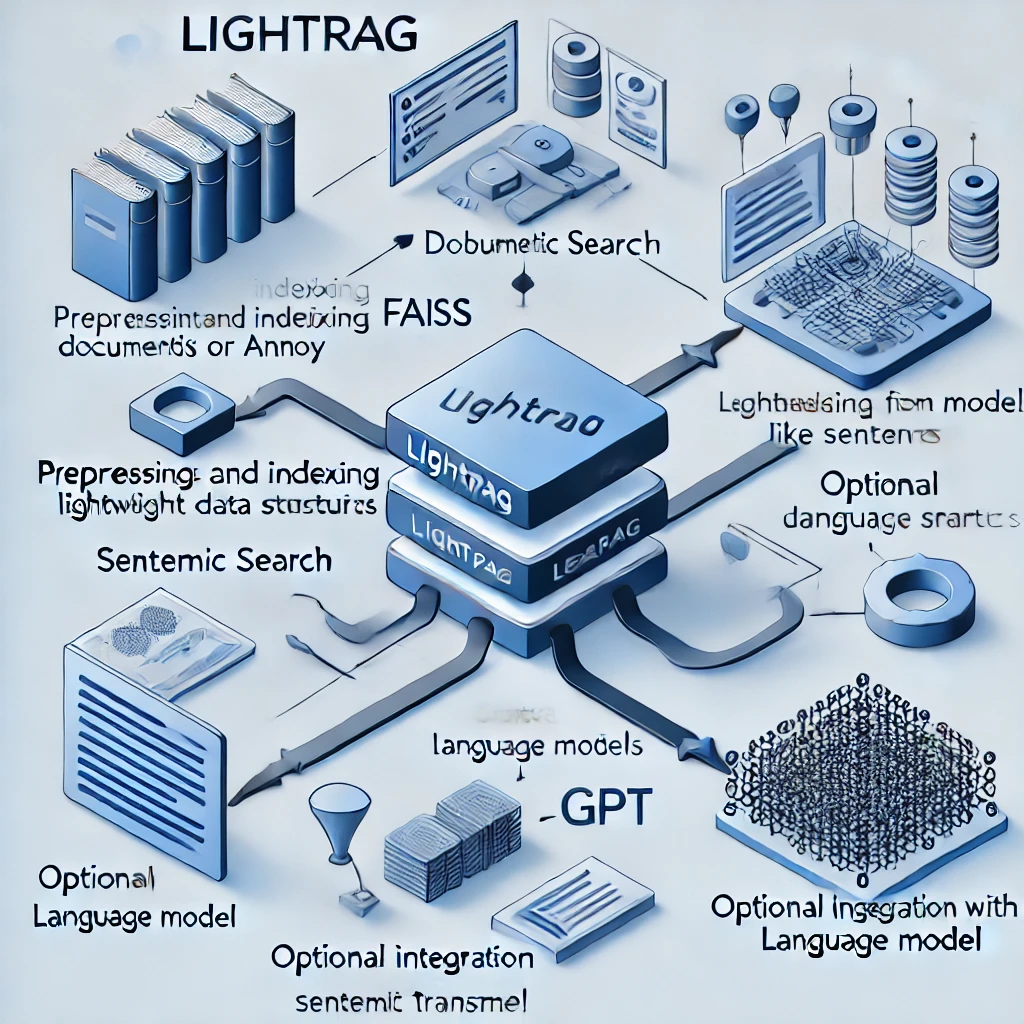
How to Get Started with LightRAG: The Simple, Fast Alternative to GraphRAG

How to Get Started with LightRAG: The Simple, Fast Alternative to GraphRAG

Building tools for retrieval-augmented generation (RAG) can be tricky, especially when the process is too complex or resource-heavy. Many people rely on GraphRAG, which is powerful but difficult to manage. Its complexity and high demands often discourage developers from using it. That’s why LightRAG was created. It is a faster, simpler, and more efficient alternative. LightRAG focuses on making RAG workflows simple while still delivering excellent results. You don’t need to deal with complicated setups or worry about excessive resource usage.
How to Build a Portfolio for AI and Data Science Jobs in 2025

How to Build a Portfolio for AI and Data Science Jobs in 2025

Portfolio for AI and Data Science: In today’s competitive job market, having a strong portfolio is one of the best ways to stand out when applying for AI and data science roles. Employers are no longer just looking for degrees or certifications. They want to see proof of your skills in action. A well-crafted portfolio shows that you can solve real-world problems, work with data, and build practical solutions using tools like Python, machine learning, and data analysis.
Edge AI for Real-Time Data Processing

Edge AI for Real-Time Data Processing

Traditional AI relies on cloud servers to process data, which can cause delays and require a constant internet connection. Edge AI changes this by processing data directly on devices, making them faster and more efficient. This is important for devices like smartphones, drones, security cameras, and industrial machines, which need to make quick decisions without waiting for a cloud response.
How to automate data preprocessing in Python

How to automate data preprocessing in Python

Automation in Data Preprocessing means using tools, scripts, or software to clean, organize, and prepare raw data for analysis without requiring much manual intervention. It simplifies repetitive and time-consuming tasks like handling missing values, normalizing data, encoding categories, and detecting outliers. Automation helps make preprocessing faster, more accurate, and scalable for large datasets.
How to Handle Missing Values in Data Science

How to Handle Missing Values in Data Science

Have you ever opened a dataset and noticed that some parts are missing? It can feel frustrating, right? Missing values are common in data, and they can make your work harder if you don’t know how to handle them. When I started working with data, I wasn’t sure what to do with missing values. Should I ignore them? Should I replace them? If yes, then with what? Over time, I learned that there isn’t one perfect answer. It all depends on the data and the problem you’re trying to solve. In this post, I’ll share simple ways to handle missing values. Whether you’re working on a project or just cleaning up your data, these tips will help you deal with missing values easily and confidently. Let’s get started!