AutoML: How to Build a Predictive Model Using AutoML

AutoML: How to Build a Predictive Model Using AutoML

AutoML stands for Automated Machine Learning. It’s a collection of tools and techniques that help you build machine learning models faster and with less effort. Normally, when you want to create a predictive model, you’d need to know a lot about coding, data processing, algorithms, and how to fine-tune your model. But with AutoML, most of that work is done for you, automatically.
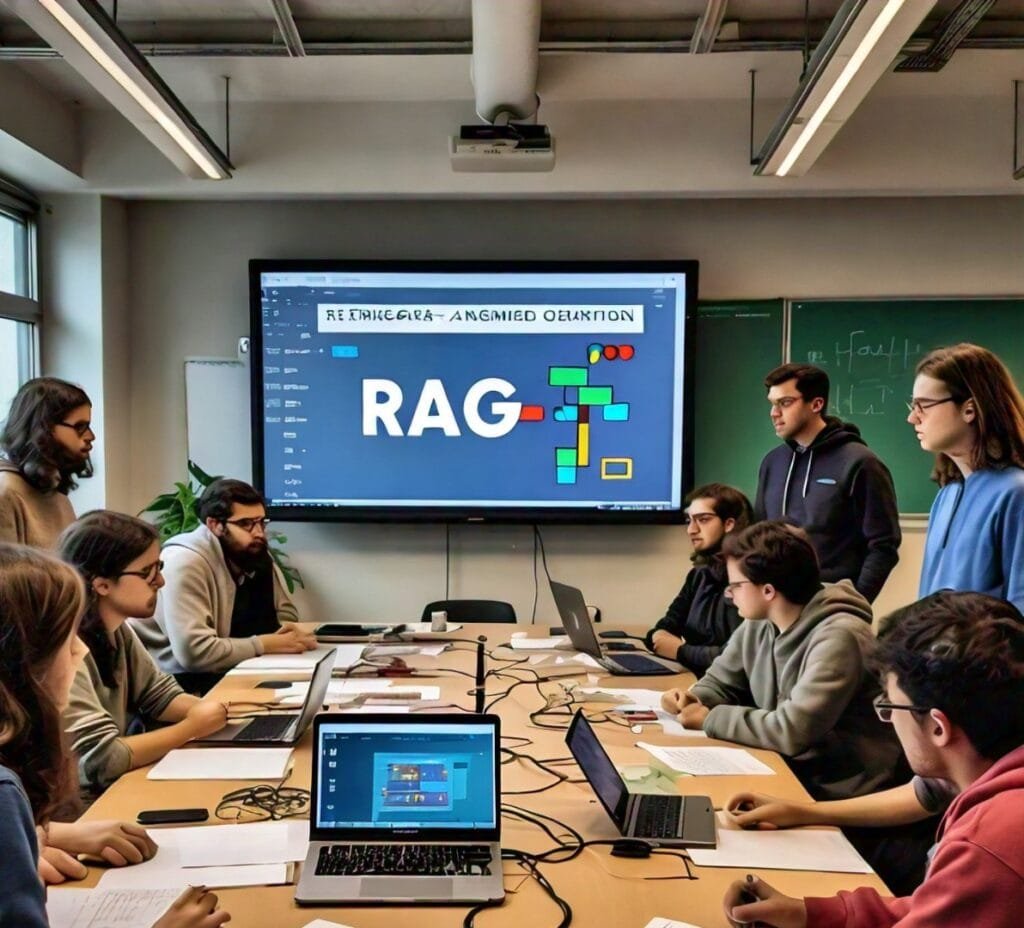
What is Retrieval-Augmented Generation (RAG)?

What is Retrieval-Augmented Generation (RAG)?

Have you ever wondered how modern AI systems seem to pull out just the right information at the right moment? One of the secret ingredients behind this capability is a technology called Retrieval-Augmented Generation (RAG). In the ever-evolving world of artificial intelligence, RAG is a game-changer, especially when paired with large language models (LLMs). But what exactly is RAG, and how does it work? In this blog post, we’re going to unravel the mystery behind Retrieval-Augmented Generation. We’ll explore how it enhances the capabilities of LLMs, making them not just more powerful, but also more effective at generating relevant, accurate responses based on extensive data. This introduction to RAG will offer you a clear and engaging look at how this technology is shaping the future of AI. Stick around to discover why RAG is so exciting and how it might be impacting the AI tools you use every day.
Simple Steps to Resolve GitHub Issues with LLM and Redis

Simple Steps to Resolve GitHub Issues with LLM and Redis

Managing GitHub issues can sometimes feel like a never-ending task, especially when you're juggling numerous bugs, feature requests, and team communications. If you’ve ever felt overwhelmed by the sheer volume of issues or frustrated by slow resolution times, you’re not alone. Imagine having a system that not only tracks issues efficiently but also helps you resolve them quickly with minimal manual intervention. That's where LLM (Language Models) and Redis come into play. These powerful tools can transform the way you handle GitHub issues, making the process smoother and more efficient. In this blog post, we’ll explore simple steps to resolve GitHub issues using LLM and Redis. You'll learn how to use the power of AI to automate issue management. And use Redis to keep your data organized and accessible. Whether you’re a developer, or project managerthis guide will show you how to make issue resolution faster and more effective. Ready to make your GitHub issue management process more efficient? Let’s get started and discover how combining these technologies can make a real difference in your workflow.
Creating Realistic Face Swaps with AI: Techniques and Tools You Need to Know

Creating Realistic Face Swaps with AI: Techniques and Tools You Need to Know

Have you ever wondered how your favorite celebrities or friends would look like in a different movie role or scenario? Face swaps, a technique that has been fascinating us for years, has now become a reality thanks to advancements in Artificial Intelligence (AI). With just a few clicks, you can transport someone's face onto another person's body, creating a surprisingly realistic and often hilarious result. But face swapping is not just for entertainment purposes. It has serious applications in fields like film production, advertising, and even law enforcement. In this blog post, we will dig the world of AI-powered face swapping, exploring the techniques and tools you need to know to create realistic and convincing face swaps. This guide will walk you through the process, from the basics to the latest advancements in AI technology. So, let's explore and uncover the secrets of creating realistic face swaps with AI!

Creative Writing: How to use AI tools for creative content

Creative Writing: How to use AI tools for creative content

The world of creative writing has always been about imagination and skill. It involves weaving words into captivating stories. But what happens when generative AI steps into this traditionally human domain? With advancements in artificial intelligence, particularly in natural language processing (NLP). AI is no longer just a tool for data analysis and automation. It's becoming a co-creator in the literary world, assisting writers in crafting everything from novels to interactive stories. Generative AI in creative writing is not just a trend—it's a growing field that holds the potential to redefine how we think about storytelling. This technology can generate plot ideas, assist in character development, and even help draft entire novels. But it's not just about the mechanics of writing. AI brings a new level of creativity, offering unique perspectives and possibilities that human writers might not have considered. This article explores the intersection of creative writing and AI technology, delving into its applications, the key models that drive it, and the future possibilities that lie ahead. Whether you're a seasoned writer curious about AI's capabilities or someone interested in the future of storytelling, this guide will take you on a journey through the fascinating world of AI-driven creative writing.
Federated Learning: Secure AI for the Future

Federated Learning: Secure AI for the Future

Federated learning is a cutting-edge approach in AI that prioritizes privacy and security by keeping data on local devices instead of transferring it to a central server. In traditional machine learning, data from various sources is pooled together for training models. This centralization raises privacy concerns and risks of data breaches. Federated learning addresses these issues by enabling devices to train on local data and share only the model updates, not the raw data. This way, your personal information remains private while contributing to the overall model improvement. Imagine multiple smartphones collaborating to improve a shared AI model without sharing your personal messages or photos—this is the essence of federated learning.
Inside the Magic: How Transformers and Large Language Models Revolutionize AI

Inside the Magic: How Transformers and Large Language Models Revolutionize AI

Large Language Models (LLMs) use the transformer architecture. They’re like super-smart text generators that can write essays, answer questions, and even spin up stories. They’re trained on massive amounts of data, so they can create text that feels natural and flows well. Transformers and LLMs are major breakthroughs in NLP. They help AI understand and interact with human language much better, making it possible to handle more complex tasks and provide more accurate and useful responses.
How to Build a Multilingual Chatbot with LLMs

How to Build a Multilingual Chatbot with LLMs

A multilingual chatbot is a smart AI system that can chat with people in multiple languages. Imagine having a virtual assistant that understands and responds to you in your own language, whether it's English, Spanish, Chinese, or any other language. This is especially handy for businesses that serve customers all around the world.