Best Python Libraries for Statistical Analysis: 6 Hidden Gems You Should Know

Best Python Libraries for Statistical Analysis: 6 Hidden Gems You Should Know

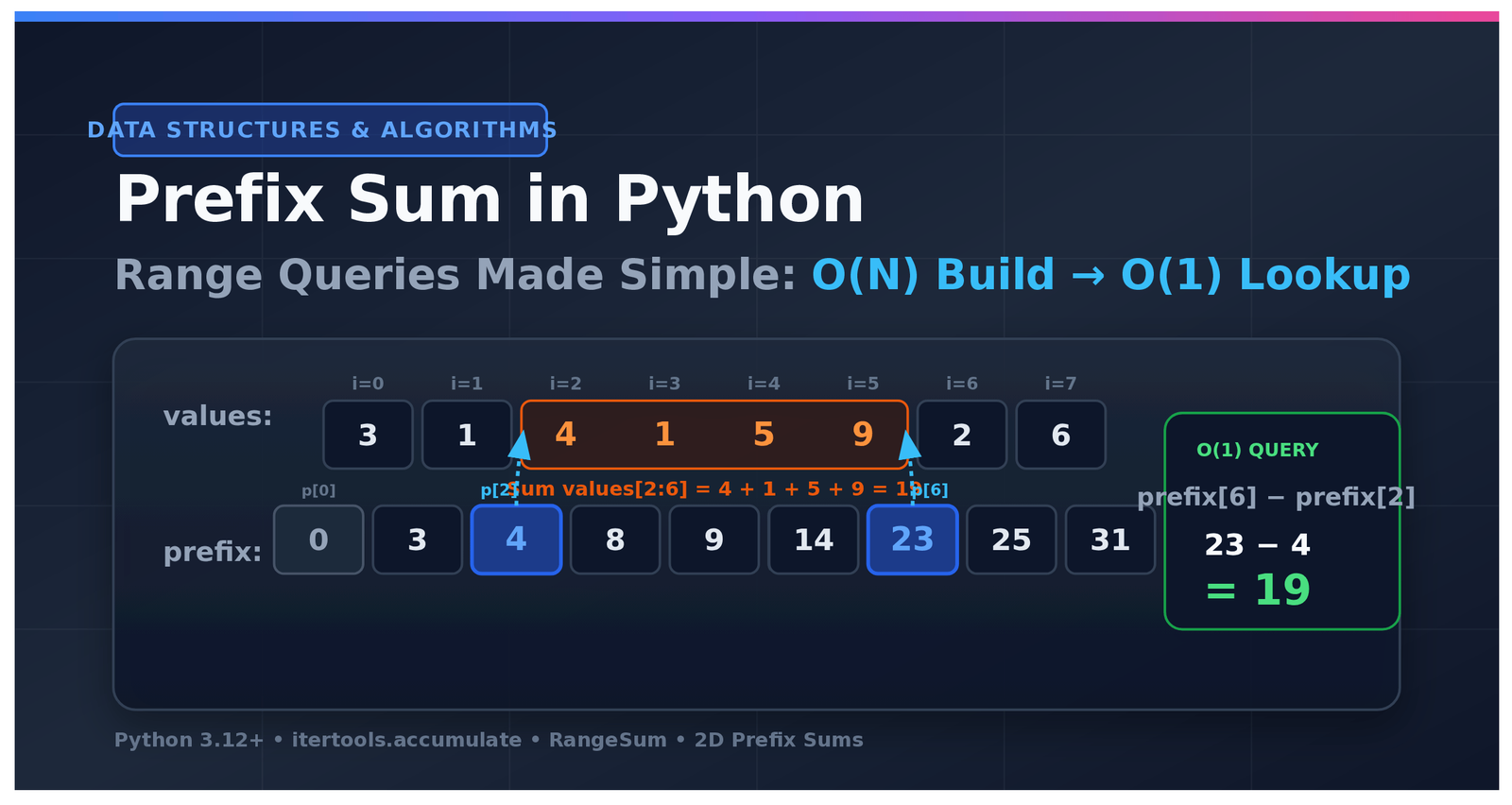
Python is one of the best tools for statistical analysis. Because it's easy to use and has powerful libraries. Most data scientists work with NumPy, pandas, and SciPy, but there are many hidden Python libraries for statistical analysis. If you need to do hypothesis testing, Bayesian analysis, time series analysis, or survival analysis, you don’t have to write complex code from scratch. There are special Python libraries that can help with statistical modeling and data cleaning, making your work faster. In this post, we’ll look at six lesser-known Python libraries that can save you time and make statistical analysis simpler. Whether you're working with Bayesian statistics, time series forecasting, or survival analysis, these libraries will help you get better results with less effort.
10 Powerful Python Libraries for Data Science You Haven’t Tried Yet

10 Powerful Python Libraries for Data Science You Haven’t Tried Yet

Python Libraries for Data Science: Python is one of the best programming languages for data science. It has many useful libraries that help with data analysis, machine learning, and AI. You may already know popular ones like Pandas, NumPy, and Scikit-Learn, but there are many hidden gems that can make your work easier. In this post, we’ll introduce 10 lesser-known Python libraries. That can help you with data visualization, feature engineering, deep learning, and automation. These tools can save you time, improve accuracy, and help you work smarter. If you're a data scientist, analyst, or AI enthusiast, these powerful Python libraries will take your skills to the next level. Let’s explore them one by one!
How to Design and Implement a Multi-Agent System: A Step-by-Step Guide

How to Design and Implement a Multi-Agent System: A Step-by-Step Guide

Multi-agent system (MAS) are a type of AI where multiple intelligent agents work together to complete tasks. These agents can communicate, make decisions, and solve problems as a team. Many industries use MAS to improve their work. For example: Self-driving cars use MAS to avoid traffic and prevent accidents. Banks and stock markets use MAS to analyze financial data and make better decisions. In this guide, you will learn how to build a multi-agent system step by step. We will use Python, LangGraph, and OpenAI to create a working system. By the end, you will have a fully functional MAS that you can use in real-world applications.
Data Science: Top 10 Mathematical Definitions

Data Science: Top 10 Mathematical Definitions

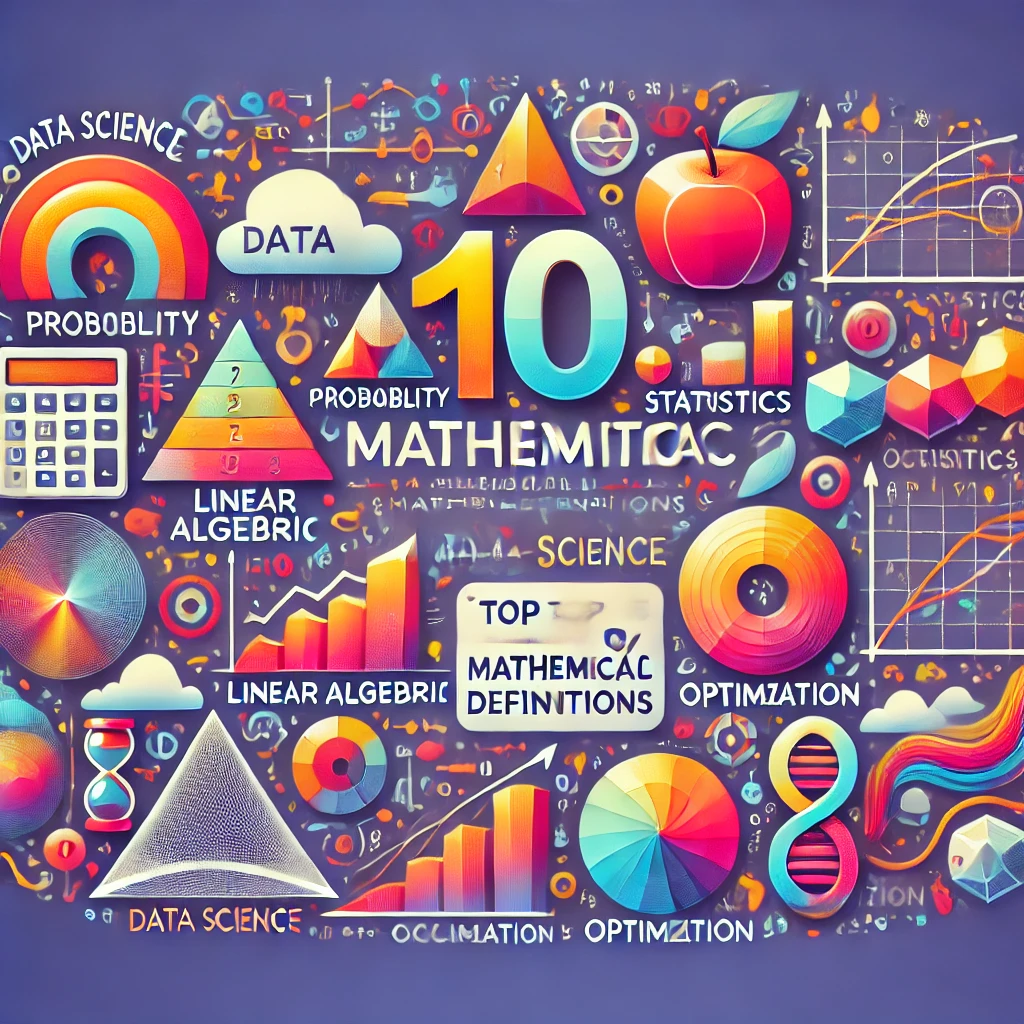
Mathematics is the backbone of data science, providing the foundational concepts that power models and algorithms. Understanding key mathematical definitions can significantly boost your data science journey. In this post, we’ll explore the first ten must-know mathematical definitions for building a strong data science foundation.
How AI Agents and Agentic AI Are Transforming Tech

How AI Agents and Agentic AI Are Transforming Tech

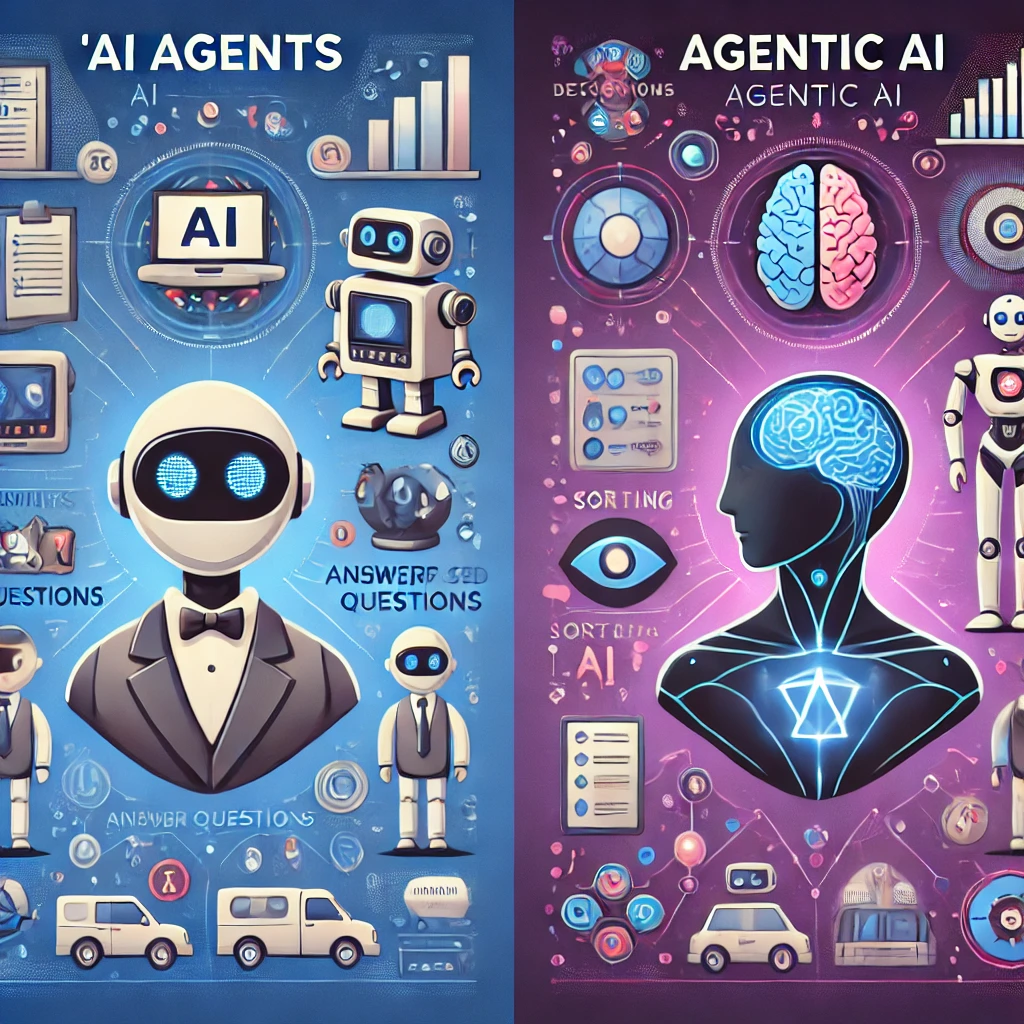
Artificial Intelligence (AI) has changed a lot over the years. In the beginning, AI was just about following simple commands, like setting reminders or giving weather updates. But now, AI systems have become more powerful and smarter. They can handle complex tasks, make decisions, and work in smarter ways. This change brings up two important ideas: AI agents and Agentic AI. Even though they sound alike, they are very different. Understanding these two terms is key to knowing how future intelligent systems will work and impact the world around us.
Top Chunking Strategies to Boost Your RAG System Performance

Top Chunking Strategies to Boost Your RAG System Performance

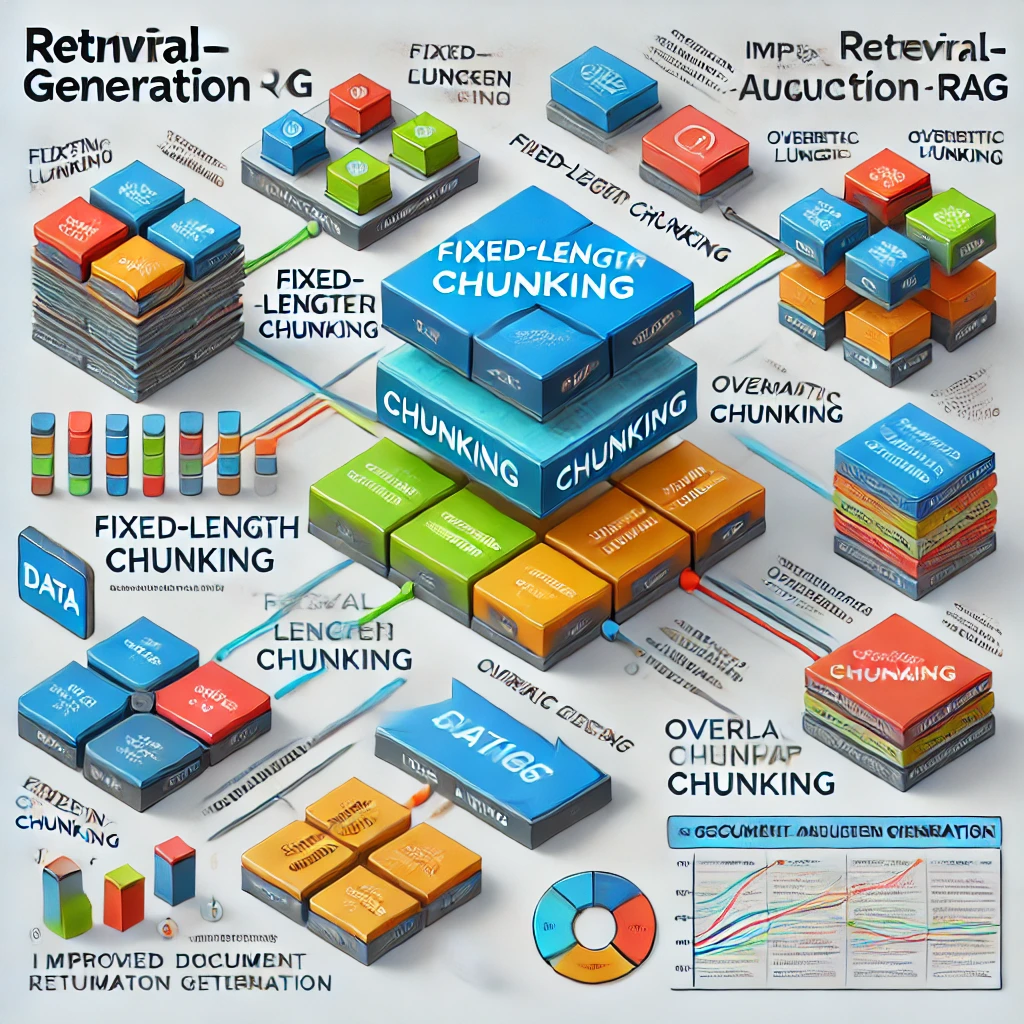
RAG stands for Retrieval-Augmented Generation. It's a system that can search through large amounts of information, pick out relevant bits, and then generate meaningful responses based on what it finds. This makes it great for tasks like answering questions or summarizing complex information. One key technique to make these systems more effective is chunking strategies.
Building an AI-Powered Tutor with RAG and Vector Databases

Building an AI-Powered Tutor with RAG and Vector Databases

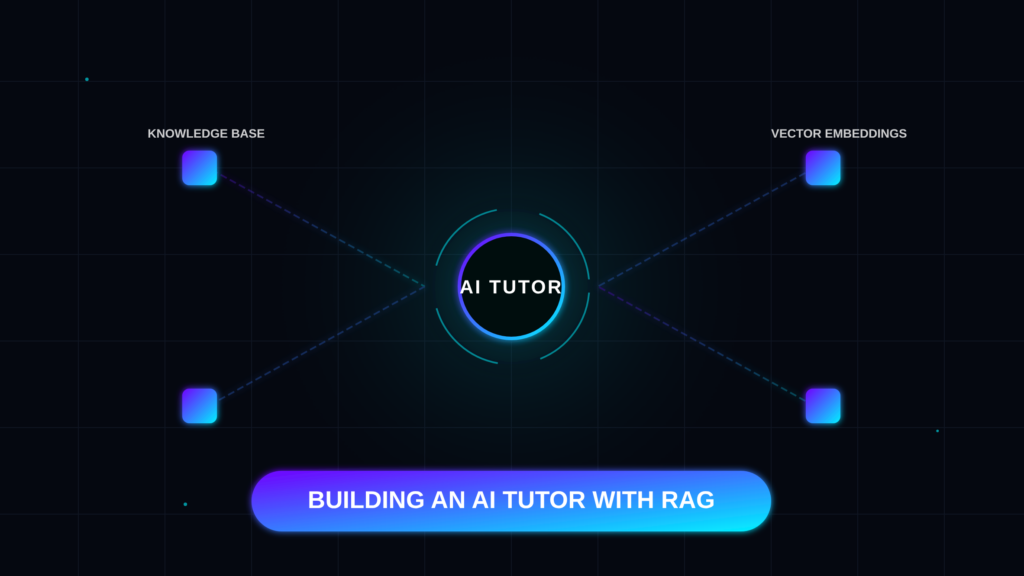
A few years ago, most classrooms looked the same: one teacher, thirty students, one pace for everyone. Some kids raced ahead and got bored. Others fell behind and felt lost. It wasn’t anyone’s fault—it’s just hard for one person to teach thirty different minds at once. Now picture this: a quiet helper that sits next to every single student. This helper knows exactly where you are strong, where you get stuck, and what kind of explanation clicks for you. If you learn best with pictures, it draws them. If you like stories, it tells one. If you need to try ten examples, it patiently gives you ten more. That helper is artificial intelligence. It’s already happening in small ways—apps that adjust math problems to your level, language programs that listen to your pronunciation and fix it gently. AI doesn’t get tired, doesn’t judge, and can spend as much time as you need. For the first time in history, truly personal teaching isn’t just for princes and princesses with private tutors—it can be for everyone.
The Most Popular Neural Network Architectures You Should Know

The Most Popular Neural Network Architectures You Should Know

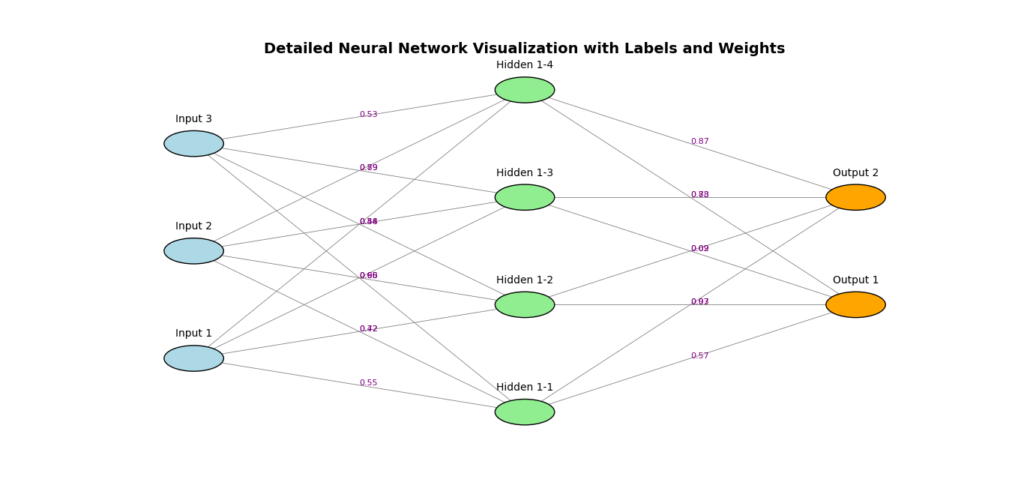
Neural networks are a key part of artificial intelligence (AI). Which helping machines learn and make decisions in a way similar to how our brains work. These networks are used in many areas like image recognition, language processing, and self-driving cars. There are many different types of neural network architectures, and each one is good for solving specific problems. Knowing which architecture to use for a particular task is important because it helps you get the best results. In this blog post, we’ll go over the most popular neural network architectures and explain how to choose the right one for your project.
The Rise of Qwen-2.5 Max: How Alibaba’s New AI Model Outperforms Competitors

The Rise of Qwen-2.5 Max: How Alibaba’s New AI Model Outperforms Competitors

Artificial intelligence (AI) is growing fast, and it's hard to keep up with all the changes. Companies and researchers are always creating new models to solve problems better and faster. Alibaba Cloud recently launched a new AI model called Qwen-2.5 Max. This is an improved version of their previous models and performs better in many tests. It’s even more powerful than other AI models like DeepSeek-V3. In this post, we’ll explain what makes Qwen-2.5 Max special, how well it performs, and how it compares to other models.